Pub.lished Movie Reviews
Metropolis (1927)
"Metropolis" (1927) is a stunningly visual silent film set in a futuristic city that is sharply divided between the working class and the city planners. The narrative unfolds as the son of the city's mastermind falls in love with a prophetess from the working class who foretells the arrival of a savior, destined to mediate their differences.
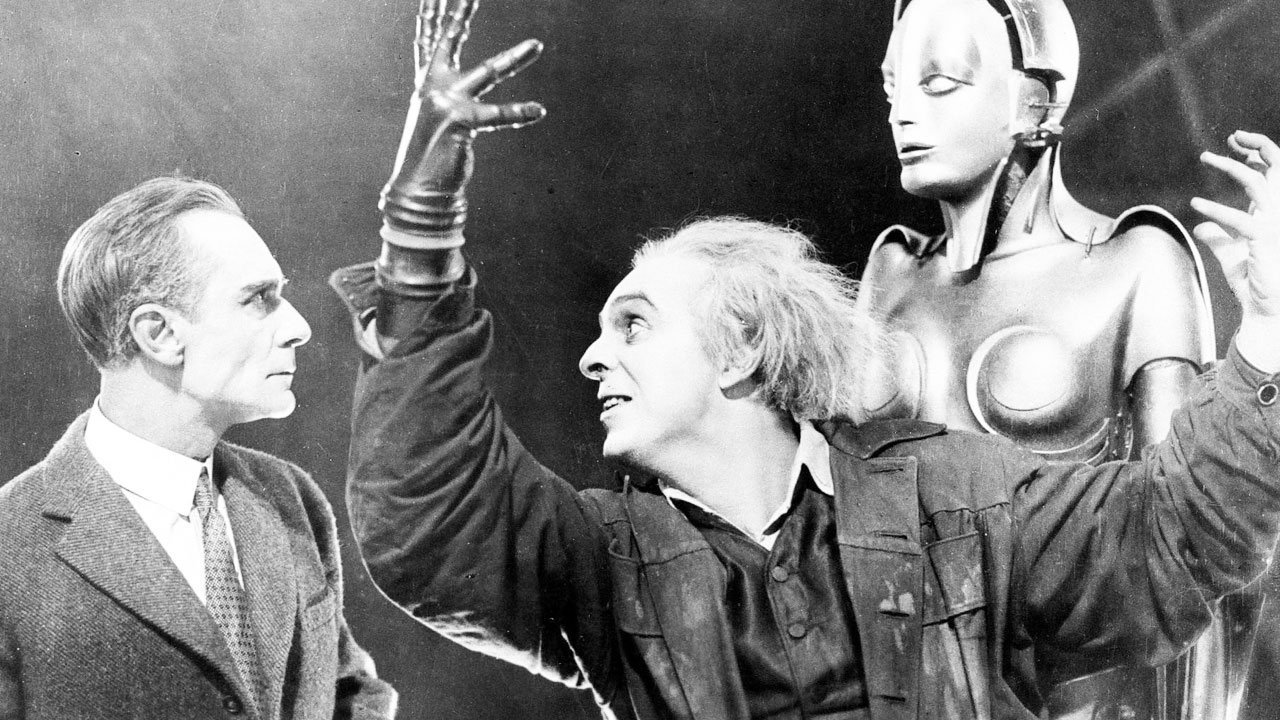
This film echoes sentiments from the industrial revolution, about the dehumanization and alienation prevalent in industrial societies. It portrays workers as mere extensions of machines, mirroring the reality of the time. "Metropolis" uses the symbol of a robot to represent the oppressed labor force.
Exploring themes of class divide and revolution, "Metropolis" presents a society where laborers and rulers are distinct entities. The film cleverly portrays how acts of rebellion can be manipulated and thwarted, hinting at a continued class divide even amidst apparent reconciliation.
Ideologically, the film's interpretation is layered and complex, mirroring the values of Weimar Germany. Critics like Roger Dadoun argue that it reflects the ideologies of its production context, including anti and proto-fascist sentiments.
"Metropolis" has left an indelible mark on science fiction cinema. It's renowned for its "double vision," portraying technology as both monstrous and essential. The film's robot symbolizes the seductive yet treacherous nature of technological advancements.
Despite its flaws, "Metropolis" continues to be a significant text in the realm of science fiction. It delves into themes like labor exploitation, identity, and the intriguing alignment of female sexuality with technology.
The visual grandeur of "Metropolis" is truly astonishing. The expanse of the city, the oppressive underground, the slums, the undertones of occultism, the glamour - everything is simply breathtaking. It's not just a film, but a visual delight that continues to captivate audiences to this day.
- You are under the age of 12 years old, as some scenes might be too intense.
- You are not fond of black and white films.
- You have difficulty understanding silent films.
- You are not interested in science fiction genre.
- You do not enjoy vintage style film-making.
Brazil (1985)
Similar to Metropolis, Brazil is a dystopian science fiction film that vividly showcases an oppressive bureaucracy. Directed by Terry Gilliam, this film's visual style and complex narrative might be of interst to you. The stark contrast between the film's dream sequences and the reality of a dystopian world reflect elements found in Metropolis.
Blade Runner (1982)Connoisseurs of Fritz Lang's "Metropolis" (1927) will appreciate Ridley Scott's "Blade Runner" (1982) as both films share a similar dystopian theme, exploring the human condition in a future society dominated by technology and societal division. Both films are considered groundbreaking in their visual design, creating a world that is simultaneously futuristic and decaying. They each raise thought-provoking questions about the nature of humanity, the role of technology, and the moral implications of artificial life. Furthermore, they are characterized by complex characters, dramatic narratives, and a haunting score, making "Blade Runner" a must-see for any "Metropolis" enthusiast.
2001: A Space Odyssey (1968)Connoisseurs of "Metropolis" will appreciate "2001: A Space Odyssey" for its similar exploration of human interaction with technology and its consequences. Both films are landmarks in the science fiction genre, using groundbreaking visual effects to realize their ambitious narratives. They also share a thematic focus on the philosophical aspects of human existence and progress, utilizing the futuristic settings to comment on contemporary societal issues. Moreover, like "Metropolis," 2001 is known for its iconic and influential imagery, along with its powerful, almost operatic use of music.
Citizen Kane (1941)Buffs of the silent film "Metropolis" (1927) will also love "Citizen Kane" (1941) for their shared themes of power, corruption, and human struggle, and their innovative storytelling techniques. Both films are pioneering works in cinema, showcasing groundbreaking visual effects and cinematography for their time. Metropolis's exploration of class struggle and the dangers of industrialization finds a counterpart in Citizen Kane's exploration of media power and personal ambition. Furthermore, both films have complex narratives, multi-dimensional characters, and a dark, atmospheric mood, making "Citizen Kane" an appealing choice for those who appreciate the depth and style of Metropolis.
The Seventh Seal (1957)Those who appreciate "Metropolis" (1927) will also enjoy "The Seventh Seal" (1957) because both films masterfully incorporate elements of German Expressionism, resulting in intricate set designs, atmospheric lighting, and a heightened sense of dramatic tension. Both films explore profound philosophical and societal themes—"Metropolis" delves into the class divide and the potential dangers of industrialization, while "The Seventh Seal" examines existential questions about life, death, and faith. The imaginative storytelling and avant-garde visual styles in both films make them timeless classics in the realm of cinema.
Psycho (1960)Both "Metropolis" and "Psycho" are seminal works in the history of cinema that have significantly influenced the medium. "Metropolis," directed by Fritz Lang, is a German expressionist epic that explores themes of class struggle and identity, using groundbreaking special effects for its time. "Psycho," directed by Alfred Hitchcock, is a seminal horror-thriller that delves into the human psyche, pushing the boundaries of on-screen violence and sexuality. Both films are meticulously crafted, boasting distinctive visual styles, innovative storytelling techniques, and memorable performances. They each provoke thought and elicit emotional responses, reflecting societal fears and anxieties. Therefore, those who appreciate the technical mastery, thematic depth, and historical significance of "Metropolis" are likely to enjoy "Psycho" as well.
Monty Python and the Holy Grail (1975)Fans of "Metropolis" would appreciate "Monty Python and the Holy Grail" for its unique blend of satirical commentary and innovative storytelling. Just as "Metropolis" leverages its medium to critique society and explore deep themes of class struggle and human nature, Monty Python uses humor and absurdity to satirize medieval mythology and modern societal attitudes. Both films are distinguished by their imaginative narratives, eccentric characters, and groundbreaking techniques, making them timeless classics in their respective genres.
Taxi Driver (1976)Lovers of "Metropolis" (1927) will appreciate "Taxi Driver" (1976) because both films offer a compelling exploration of societal issues within a complex urban setting. Just as "Metropolis" delves into the dystopian reality of class struggles in an industrialized city, "Taxi Driver" presents a gritty portrait of urban alienation and moral decay in post-Vietnam War New York. The films share themes of isolation, desperation, and rebellion against oppressive systems. Moreover, both films are renowned for their innovative cinematic techniques, atmospheric storytelling, and powerful performances, ensuring a visually and emotionally engaging experience for fans of thought-provoking cinema.
The Cabinet of Dr. Caligari (1920):Given your admiration for Metropolis, you might appreciate this German Expressionist movie. The Cabinet of Dr. Caligari is considered one of the greatest horror movies of the silent era. The film's use of warped, dreamlike sets and shadowy, distorted visuals are reminiscent of Metropolis and establish an unsettling atmosphere.
Nosferatu (1922):If you enjoyed the silent film era and the strong visual storytelling of Metropolis, then you should definitely explore Nosferatu. Directed by F. W. Murnau, this is the first vampire-themed movie ever made and exemplifies skillful use of shadow and looming architecture to create suspense.
Modern Times (1936):From the vision of Charlie Chaplin, Modern Times also tackles themes of industrialization and man's place in the mechanized world, similar to Metropolis. Despite being partly a silent comedy, it's a brilliant mix of humor and poignant social commentary.
Soylent Green (1973):As a fan of Metropolis's futuristic dystopia, you might find the themes in Soylent Green intriguing. The film presents a future vision of an overpopulated world struggling with environmental disasters and scarcity of resources.
Metropolis (2001):An animated interpretation based upon the 1927 film of the same name and Osamu Tezuka's 1949 manga, this version brings a unique perspective to the original's narrative. With its beautiful animation and imaginative futuristic landscape, it revisits the themes of class disparity and the consequences of unchecked technological progress.
Like this? Then click here to see more scifi movies