Pub.lished Movie Reviews
Ridicule (1996)
"Ridicule" (1996) is a phenomenal film that masterfully merges comedy, romance, and drama in a historical setting. The narrative unfolds in the opulent court at Versailles, a place where bullets may cause mortal wounds, but it is the sharpness of wit that truly proves fatal. The film's tagline, "In the court at Versailles, bullets can kill, but wit is deadly," encapsulates this reality perfectly.
The film's unique brand of comedy is not the typical slapstick or farcical humor. Rather, it is a high-brow, intelligent wit that often veers into the realm of satire. If wit can be termed as comedy, then yes, "Ridicule" is indeed a comedy. But it's a comedy that requires its audience to engage their intellect, challenging them to keep up with the quick-witted repartee that the characters exchange.
"Ridicule" is also a romance, a drama, and a period piece. It's a testament to the film's brilliance that it manages to seamlessly blend these diverse genres without losing its distinct voice. The romance is passionate yet nuanced, the drama is intense without being melodramatic, and the historical setting is perfectly recreated, immersing the viewer in the period's culture and politics.
The dialogue in "Ridicule" is both a weapon and a shield, used by the characters to assert their dominance, protect their status, and navigate the treacherous waters of the court. The film asks the audience to consider: what is the power of a well-placed word or a clever turn of phrase? This movie argues, that while a sword can end a life, a sharp retort can change hearts, minds and move mountains.
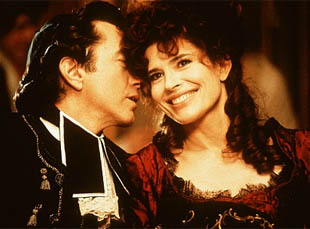
"The king is not a subject."
- You are not comfortable with sexual content and brief nudity
- You do not enjoy historical dramas
- You struggle with understanding heavy French accents
- You are less than 16 years old as the movie is rated R
- You're averse to movies tackling social and political critique
Warning: The following may contain spoilers:
What's the deal with "Ridicule" (1996)? I mean, if I wanted to watch people insult each other with clever wordplay, I'd just go to a New York City comedy club!
And the movie is set in 18th century France! So, let me get this straight, we're supposed to believe that even while being cornered by a guy with a sword, these French aristocrats are like, "Wait, wait, hold on! Let me think of a witty comeback!" I mean, who are these people?
American Beauty (1999)
Buffs of "Ridicule" (1996) will also appreciate "American Beauty" (1999) due to the similar exploration of societal critique and human nature. Both films delve into the hypocrisies and absurdities of their respective societies, using satire and dark humor as a way to highlight societal flaws. The complex characters, rich narratives, and excellent performances in both films provide a thought-provoking look into the human condition, making them appealing to individuals who appreciate depth and complexity in their cinematic experiences.
Harold and Maude (1971)Aficionados of "Ridicule" (1996) will love "Harold and Maude" (1971) due to both films' unique blend of satire, wit, and commentary on societal norms. Just as "Ridicule" cleverly critiques the French aristocracy through its sharp dialogue and humorous situations, "Harold and Maude" uses dark comedy and unconventional romance to challenge conventions and expectations. Both films showcase eccentric characters and unexpected relationships that provoke thought while also providing entertainment. Furthermore, the two films share a sophisticated, intellectual humour that leaves a lasting impression.
A Streetcar Named Desire (1951)Those who appreciate "Ridicule" (1996), a film that explores social politics, class struggle, and human nature, will also love "A Streetcar Named Desire" (1951) for its similar themes. Both films delve deep into the complexities of human emotion and behavior, revealing the darker aspects of society and human interaction. They share a common narrative thread of individuals caught in the throes of societal expectations and personal desires, making for compelling, thought-provoking cinema. The rich character development, engaging dialogues, and raw, emotional performances in both films will appeal to viewers who appreciate nuanced storytelling.
The Manchurian Candidate (1962)"Ridicule" and "The Manchurian Candidate" are films that delve deeply into psychological and sociopolitical themes. The former, set in 18th-century France, uses wit and satire to explore the influence of language and social status, while the latter, a Cold War thriller, examines issues of political conspiracy and mind control. If you love the clever dialogue, complex characters, and intricate political maneuverings in "Ridicule," you'll likely appreciate the suspense, intrigue, and thought-provoking political commentary in "The Manchurian Candidate."
Dangerous Liaisons (1988)Both "Ridicule" (1996) and "Dangerous Liaisons" (1988) are period dramas that delve into the themes of power, manipulation, and social status within the confines of the French aristocracy. The films share a similar tone of sharp wit, biting humor, and moral ambiguity, keeping viewers on their toes with their intricate plotting and complex character dynamics. If you appreciate the cunning wordplay, sumptuous costuming, and social commentary of "Ridicule," you're likely to enjoy the equally compelling narrative and character studies in Dangerous Liaisons.
Blue (1993)"Ridicule" (1996) and "Blue" (1993) are films that dive deeply into the human condition, showcasing the complexities of emotions and social interactions. "Ridicule," with its clever dialogue and satirical take on 18th-century French society, appeals to viewers who appreciate witty commentary and exploration of societal norms. Similarly, "Blue," the first movie of Kieślowski's Three Colors trilogy, delves into themes of loss, identity, and emotional isolation. Its rich symbolism and emotive storytelling match the depth and introspection found in "Ridicule," making it a compelling watch for those who loved the latter.
The Remains of the Day (1993)"Ridicule" (1996) and "The Remains of the Day" (1993) are period dramas that explore societal norms, expectations, and the human condition in a historical context. They feature intricate narratives, nuanced performances, and lush production designs that transport viewers to a different era. The intricate manners, political maneuvering, and human relationships at the heart of these films will appeal to viewers who appreciate thoughtful storytelling, character depth, and a subtle examination of class and social structures. The emotional resonance, critical acclaim, and engaging plotlines of both films make them a must-watch for fans of intelligent, atmospheric dramas.
Elizabeth (1998)Those who love "Ridicule" (1996) will also love "Elizabeth" (1998) because both films artfully blend politics, romance, and historical drama. Both movies are set in courtly environments - "Ridicule" in the French court of Louis XVI and "Elizabeth" in the English court of "Elizabeth" I, offering a rich, detailed exploration of the political intrigue and social dynamics of those periods. Fans will appreciate the intricate plotting, character development and the central performances, with both films featuring strong leads navigating treacherous political waters. The lavish costumes, production design and the atmospheric cinematography of both films further heightens the viewing experience.
All About My Mother (1999)"Ridicule" (1996) and "All About My Mother" (1999) are European films that delve deeply into human nature, society, and identity, featuring sharp wit, emotional depth, and intricate storytelling. "Ridicule" explores the power of wit in 18th century French aristocracy, while "All About My Mother" delves into issues of gender, identity, and motherhood in contemporary Spain. Viewers who appreciate the sophisticated humor, complex characters, and social commentary found in "Ridicule" would likely enjoy the similarly thought-provoking themes and multi-layered narrative in All About My Mother.
The Station Agent (2003)"Ridicule" (1996) and "The Station Agent" (2003) are character-driven films that explore themes of isolation, human connection, and the search for acceptance in their respective societies. "Ridicule," set in the 18th-century French court, and "The Station Agent," in contemporary rural New Jersey, both use humor, drama, and nuanced performances to deliver poignant observations about the human condition. The films' shared focus on well-drawn, complex characters, witty dialogue, and their exploration of societal norms and prejudices make them appealing to the same audience.
Dangerous Liaisons (1988):If you enjoyed "Ridicule," you would likely appreciate "Dangerous Liaisons". Set in pre-revolutionary France, this drama explores themes of power, manipulation, and cruelty among the aristocracy, much like "Ridicule". With mesmerizing performances by Glenn Close, John Malkovich and Michelle Pfeiffer, and directed by Stephen Frears, this film ensures a captivating watch.
The Favourite (2018):"The Favourite," directed by Yorgos Lanthimos, might appeal to your taste. It's a dark, cynical comedy with a vein of tragedy, much like "Ridicule". The film is set in 18th-century England, focusing on the relationship and power play between Queen Anne and two of her closest confidants. Masterful performances by Olivia Colman, Rachel Weisz, and Emma Stone alongside brilliant writing make it a must-watch.
Barry Lyndon (1975):Directed by Stanley Kubrick, "Barry Lyndon" is a masterpiece of the period drama genre. The film, based on the novel by William Thackeray, is an epic tale of greed, betrayal, and social climbing in 18th-century England. Cinematically breathtaking and richly detailed in terms of costumes and set design, it is sure to fascinate "Ridicule" enthusiasts, offering a similar delicately balanced mix of drama, comedy, and sharp social critique.
A Royal Affair (2012):Situated in 18th-century Denmark, "A Royal Affair" is a grand period drama. The film discusses politics, the revolutionary flow of ideas, and courtly manipulations, much like "Ridicule". It's an engrossing watch, with compelling performances by Mads Mikkelsen and Alicia Vikander, with the added depth of being based on true events.
Marie Antoinette (2006):"Marie Antoinette," directed by Sofia Coppola, could provide a fresh take for you. This film offers a modern take on the life of France's iconic but ill-fated queen. While not as satirical or darkly comedic as "Ridicule," it provides a stylistically rich setting with a more private look into the court life, purposefully anachronistic soundtrack, and unique storytelling that is sure to engage viewers.
Like this? Then click here to see more comedy movies