Pub.lished Movie Reviews
Glengarry Glen Ross (1992)
"Glengarry Glen Ross" is a fantastic movie that relies entirely on the power of its acting and gripping dialogue, devoid of any unnecessary frills or distractions. The movie provides a riveting portrayal of boiler room sales, showing desperate salesmen spending hours on end making calls to sell unwanted real estate, barely earning a penny. The situation is dire; they are on the brink of losing their jobs.
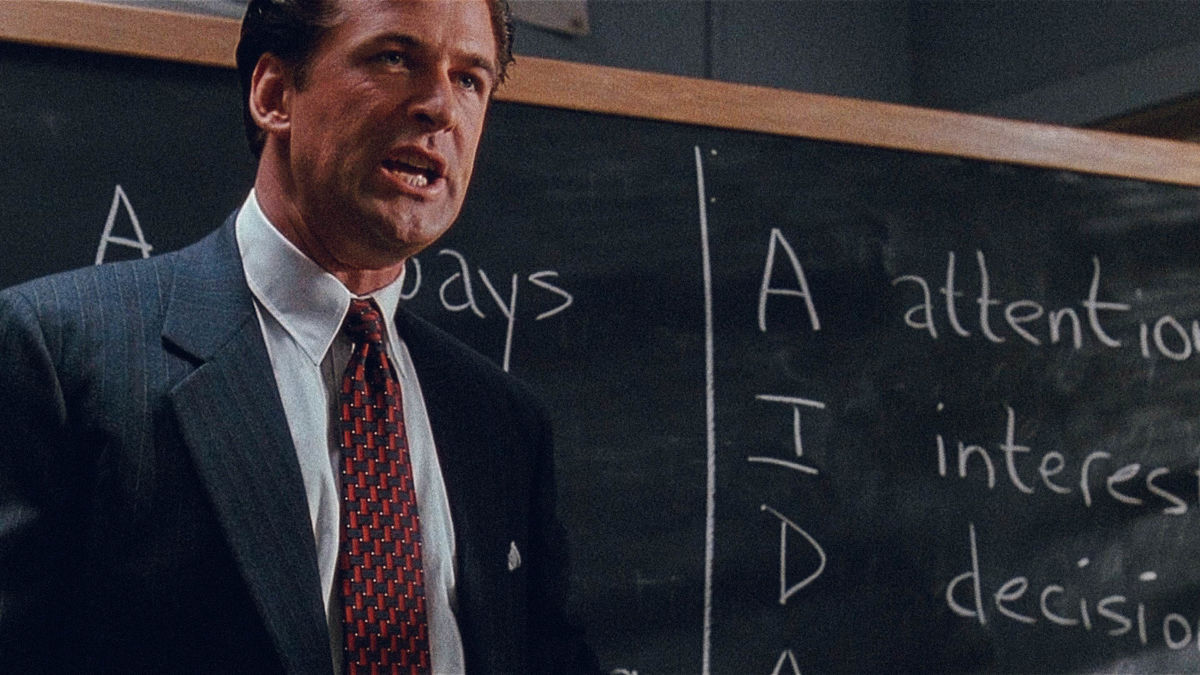
Enter Blake, a flashy, smooth-talking hotshot straight from downtown, portrayed by Alec Baldwin. His mission? To give the salesmen a firm pep talk and a stern warning. A new sales contest is announced: the first prize is a Cadillac, the second, a set of steak knives, and the third, a rude dismissal - "Hit the bricks, pal, and beat it, 'cause you are going OUT!"
The movie is an adaptation of a play by David Mamet, who brings his brief experience in a boiler room to life. Mamet masterfully transcribes the everyday language, obscenities, and despair of these salesmen into his own unique dialect, creating a sad symphony. Despite their desperate circumstances, there's an unexpected nobility in the salesmen's struggle.
Take for example Shelley Levene, also known as "the Machine," played by Jack Lemmon. Once a top salesman, he now struggles to make any sales at all. His wife is in the hospital, and it's heartbreaking to listen to his lies about this "marvelous opportunity." Lemmon delivers a compelling performance in one memorable scene where he tries to sell real estate to a man who clearly isn't interested. The tension is palpable as Lemmon teeters on the edge between deception and mental breakdown.
The rest of the sales team, played by powerhouses Al Pacino, Ed Harris, Alan Arkin, and Lemmon, are all in varying stages of emotional collapse. Kevin Spacey plays the cold, rule-abiding office manager. There's an exceptional dialogue between Harris and Arkin, speculating about the rumored "good leads" locked away in Spacey's office, subtly hinting at a potential break-in to steal these leads.
Mamet's dialogue, despite mirroring the interruptions and interjections of real-life conversation, is anything but ordinary. It lacks the typical umms, ahhs, stammers, and imprecise words of everyday speech. His dialogue, despite its seemingly disjointed nature, holds a rhythmic poetry. It's a multi-voiced poem, akin to street poetry or rap, often brutal, vulgar, or crass but by no means less captivating or entertaining. In fact, it's the rawness of the dialogue that makes it so mesmerizing.
- You are not comfortable with strong language and confrontational scenes.
- You prefer movies with a lot of action or special effects. This movie is dialogue-driven and mainly set in one location.
- You're looking for a cheerful or uplifting movie. This film has a dark tone and explores themes of desperation and ethical compromise.
- You feel uncomfortable with intense depictions of sales pressure and manipulation.
- You prefer movies with clear, straightforward narrative structures. The plot of this movie can be difficult to follow at first due to its reliance on dialogue and nuanced character interactions.
- Recommended viewing age: 17+. It contains mature themes and language.
Warning: The following may contain spoilers:
What's the deal with "Glengarry Glen Ross"? After watching that movie, suddenly I've got this burning desire to sell land. I mean, who knew real estate could be so thrilling? I'm sitting there, thinking, "If only I could get my hands on those golden leads, I'd be set!"
The whole movie is a crash course in desperation and desire, all wrapped up in the quest to convince someone, anyone, that what they need is this piece of land. By the end of it, you're not sure if you should be inspired or terrified. But one thing's for sure: you're looking at your phone book a little differently, wondering if maybe, just maybe, you've got some golden leads of your own hiding in there.
Pulp Fiction (1994)
"Glengarry Glen Ross" (1992) and "Pulp Fiction" (1994) are cinematic masterpieces that offer a raw, unfiltered glimpse into the darker sides of human nature, brought to life by a strong ensemble cast and brilliant dialogue. They are character-driven narratives that weave together multiple storylines, exploring themes of desperation, greed, violence, and moral ambiguity. The films' iconic dialogues, intense performances, and unexpected plot twists make for a compelling viewing experience that will appeal to fans of gritty, unconventional storytelling.
American Beauty (1999)Those who appreciate "Glengarry Glen Ross" (1992) will likely find a similar appeal in "American Beauty" (1999) because both films offer a critical and satirical exploration of the American Dream. "Glengarry Glen Ross" examines the cutthroat world of real estate salesmanship, while "American Beauty" dissects suburban ennui and conformity, yet both expose the underlying desperation and dissatisfaction that can exist beneath the surface of perceived success. Furthermore, they share a strong emphasis on character development and dialogue, boasting powerhouse performances and sharp, insightful writing, which contribute to their status as esteemed classics of American cinema.
Memento (2000)Fanciers of "Glengarry Glen Ross" will likely enjoy "Memento" because both films challenge viewers with complex narratives that delve into the human psyche. They both employ unique storytelling techniques - "Glengarry Glen Ross" with its intense dialogue-driven plot that reveals characters' desperation and manipulation, and "Memento" with its non-linear narrative that mirrors the protagonist's memory loss. These films also share a noir-like atmosphere, a focus on morally ambiguous characters, and a critical exploration of human nature and its fallibilities.
Citizen Kane (1941)Both "Glengarry Glen Ross" and "Citizen Kane" offer deep, character-driven narratives that explore the consequences of ambition, power, and success in a capitalist society. Each film employs a unique narrative style and uses innovative cinematography to enhance storytelling. In both films, dramatic dialogue and complex characters drive the plot, encouraging viewers to empathize with flawed individuals. These shared themes and stylistic choices make "Citizen Kane" appealing to those who appreciate the intense drama and moral complexities presented in Glengarry Glen Ross.
Taxi Driver (1976)Admirers of "Glengarry Glen Ross" will appreciate "Taxi Driver" for its similar exploration of flawed characters, moral ambiguity, and gritty atmosphere. Both films delve deep into the human psyche, offering rich character studies set against bleak urban backdrops. The biting dialogue, intense performances, and masterful direction in "Taxi Driver" are reminiscent of the strengths in "Glengarry Glen Ross," making it a likely hit for those who appreciate the latter's dark, dramatic storytelling.
This Is Spinal Tap (1984)"Glengarry Glen Ross" (1992) and "This Is Spinal Tap" (1984) are movies that delve into the complexities of human nature and relationships in high-pressure environments, albeit in very different settings. "Glengarry Glen Ross" explores the cutthroat world of sales, while "This Is Spinal Tap" satirizes the rock music industry. Both films are renowned for their sharp, witty dialogues and strong character development, and feature ensemble casts delivering memorable performances. Despite the difference in genre and tone - drama versus mockumentary - fans of one will likely appreciate the other for its incisive commentary on its respective industry and the humor or tension derived from the characters' interactions.
Raising Arizona (1987)Those who appreciate the dark humor, complex characters, and intricate plot of "Glengarry Glen Ross" (1992) will similarly enjoy "Raising Arizona" (1987). Both films masterfully blend drama and comedy to tell engaging, character-driven stories, with strong dialogue and memorable performances from their respective ensemble casts. While the themes and settings are different, the two movies share a unique sensibility and a willingness to defy genre conventions, offering a combination of humor, pathos, and unpredictability that will appeal to viewers who appreciate unconventional, thought-provoking cinema.
Trainspotting (1996)"Glengarry Glen Ross" and "Trainspotting" share a gritty realism, complex character development, and sharp dialogue. They delve into the darker aspects of human nature, tackling themes of desperation, addiction, and the struggle for survival. The films are also marked by stellar performances from their ensemble casts and are driven by compelling, morally ambiguous characters. Despite the starkly different settings - the high-pressure world of real estate sales in "Glengarry Glen Ross" and the drug-fueled underbelly of Edinburgh in "Trainspotting" - both films explore similar existential themes with a raw, unflinching honesty that fans of either film are likely to appreciate.
Rushmore (1998)"Glengarry Glen Ross" (1992) and "Rushmore" (1998) are both deeply character-driven narratives that showcase the complexity of human nature through dark humor, sharp dialogue, and compelling performances. "Glengarry Glen Ross" offers an unflinching look at the cutthroat world of sales, while "Rushmore" explores the eccentricities of a uniquely ambitious teenager. The two films share a knack for combining humor with drama, and both are renowned for their memorable, quotable lines. Similarly, the films are united by their stellar casts, with "Glengarry Glen Ross" boasting performances from the likes of Al Pacino and Jack Lemmon, and "Rushmore" starring Bill Murray and Jason Schwartzman. Thus, fans of Glengarry Glen Ross's character-focused storytelling, dark humor, and strong acting will find plenty to appreciate in Rushmore.
The Big Short (2015):If you appreciated the darkly comic and biting commentary of "Glengarry Glen Ross," you might enjoy "The Big Short". Directed by Adam McKay, this film captures the build-up of the housing and credit bubble during the 2000s. The film features an ensemble cast and presents its complex subject matter in a humorous and easy-to-understand format, similar to Glengarry Glen Ross 's dissection of the American real estate industry.
The Wolf of Wall Street (2013):This Martin Scorsese film might appeal to you if the high-stakes, morally dubious world of "Glengarry Glen Ross" intrigued you. "The Wolf of Wall Street" is based on the true story of Jordan Belfort, a high-rolling stockbroker who gets drawn into a life of crime and corruption. Its depiction of desperate men getting lost in their greed echos themes seen in "Glengarry Glen Ross".
Boiler Room (2000):"Boiler Room," like "Glengarry Glen Ross," uncovers the high-pressure, ruthless, and often illegal world of high finance. This time set within a brokerage firm, the film offers a unique look at the lengths people will go to succeed and the moral sacrifices they make along the way. Just as in "Glengarry Glen Ross," dialogue and character development are at the forefront.
Wall Street (1987):Oliver Stone’s Wall Street is another great look into the world of high finance, with a focus on corruption and greed that is reminiscent of "Glengarry Glen Ross". "Wall Street" remains a symbol of the recklessness and excess of the '80s, and its captivating story and interesting characters will appeal to fans of intense dramas about the dark side of the American Dream.
House of Games (1987):David Mamet's "House of Games" is a must-watch if you enjoyed "Glengarry Glen Ross". Just like Glengarry, it's filled with sharp dialogue, complex characters, and a plot full of twists and turns. The world of con artists it portrays could be seen as a metaphor for the cutthroat world of real estate in "Glengarry Glen Ross".
Like this? Then click here to see more drama movies